
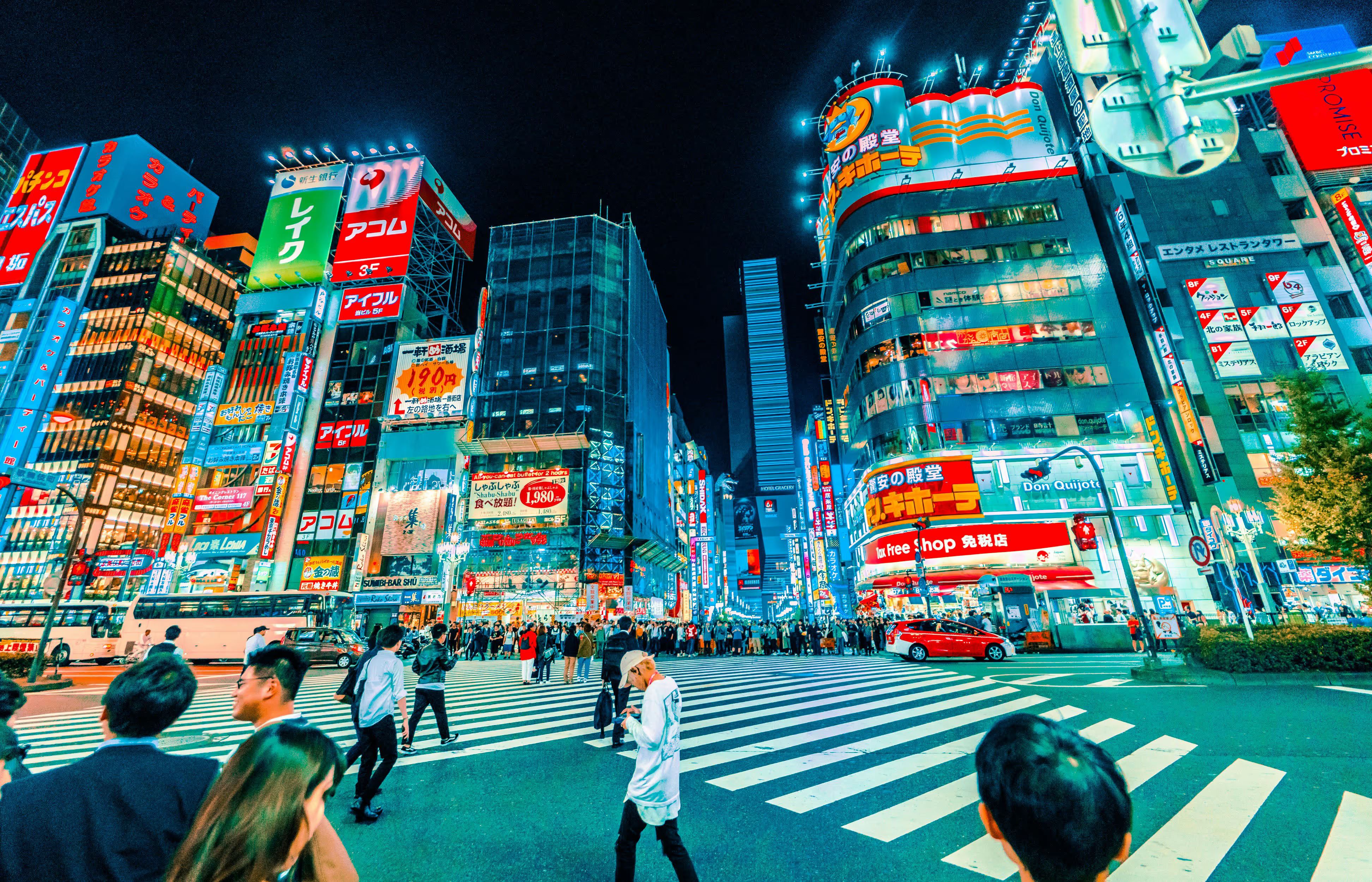
Shinjuku stands as one of Tokyo's most significant urban centers, functioning simultaneously as a major commercial hub and a surprisingly viable residential district. While many people know Shinjuku primarily for its massive station, entertainment districts, and towering office buildings, the ward encompasses diverse residential neighborhoods that attract professionals, long-term residents, and newcomers seeking convenient urban living. Understanding Shinjuku's dual nature - intense commercial activity concentrated around certain areas, balanced by genuine residential pockets throughout the ward - helps clarify whether this dynamic location suits your lifestyle and housing needs.
The ward's appeal lies in its exceptional urban convenience combined with accessible residential options. Living in Shinjuku provides unmatched transport connectivity to virtually anywhere in Tokyo, abundant daily amenities within walking distance, and the infrastructure that supports comfortable long-term residence rather than just short-term stays. For professionals working in central Tokyo, students attending nearby universities, or foreign residents seeking English-friendly services alongside Japanese community life, Shinjuku offers compelling advantages despite its reputation for crowds and activity.
Neighborhood
Shinjuku Ward extends far beyond the famous station area, encompassing distinct neighborhoods with markedly different characters and living experiences. Understanding these sub-areas helps you identify which parts of Shinjuku align with your residential priorities.
West Shinjuku features high-rise office towers, modern residential complexes, and the Tokyo Metropolitan Government Building. This area feels distinctly business-oriented during weekdays but quiets considerably during evenings and weekends. Residential buildings here tend toward newer construction with professional management, attracting working professionals who value proximity to offices and modern amenities. The atmosphere is clean, orderly, and somewhat impersonal compared to traditional Tokyo neighborhoods.
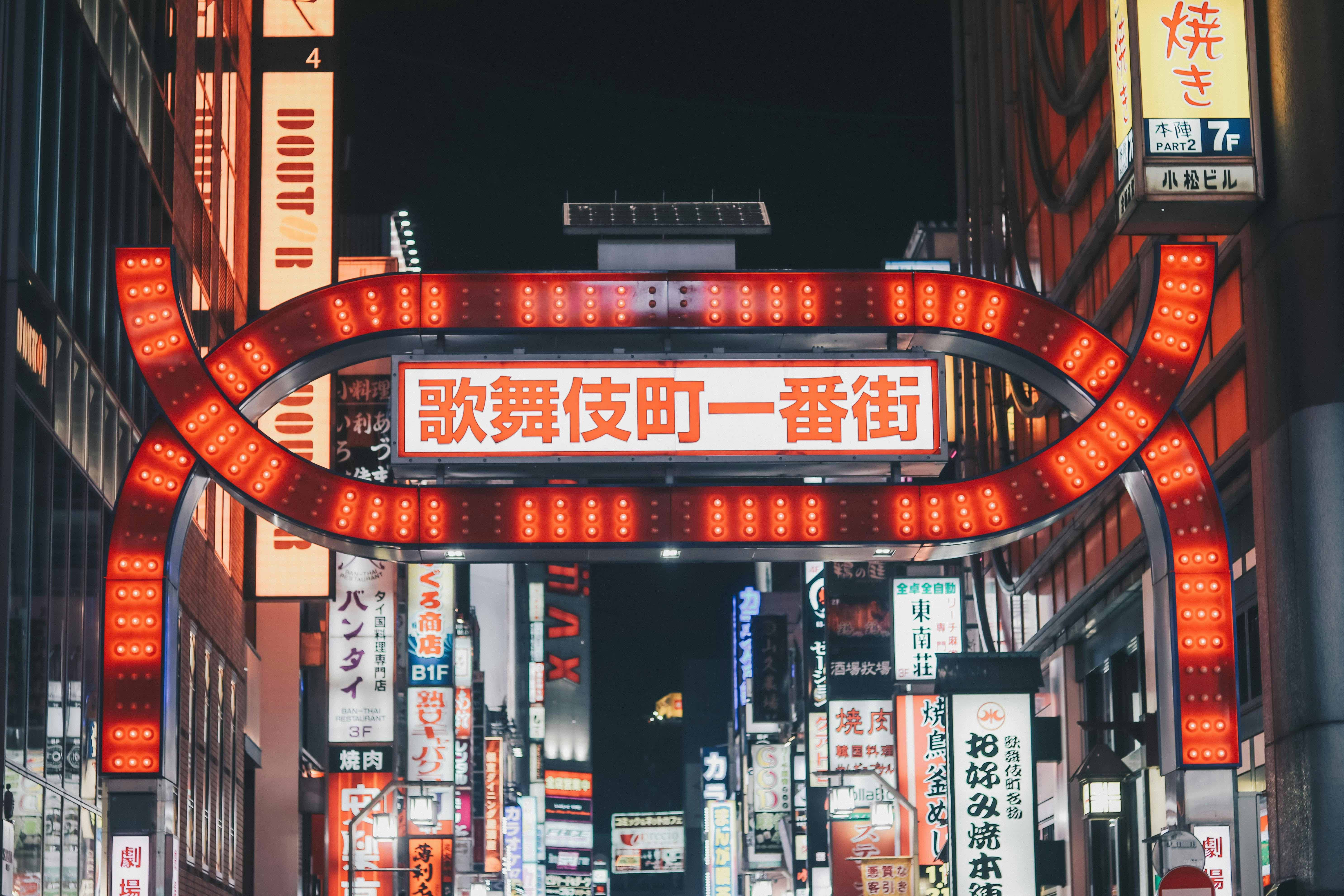
Shinjuku-Sanchome and surrounding central areas sit at the heart of commercial Shinjuku, surrounded by shopping, entertainment, and dining options. Residential apartments exist even in these central locations, typically in buildings above commercial ground floors or on quieter side streets. Living this centrally means accepting significant urban intensity - crowds, noise, and constant activity - in exchange for ultimate convenience and access to everything Shinjuku offers.
Takadanobaba occupies Shinjuku's northeastern section, known for its student population due to proximity to Waseda University and numerous language schools. This neighborhood feels younger and more casual than central Shinjuku, with affordable restaurants, bookstores, and student-oriented businesses creating a distinct community character. Housing here tends toward smaller, more budget-friendly options suitable for students and young professionals.
Kagurazaka, on Shinjuku's eastern edge near Chiyoda Ward, preserves more traditional Tokyo character with narrow streets, independent shops, and established residential communities. This area attracts long-term residents seeking neighborhood atmosphere while maintaining excellent central Tokyo access. The district feels more settled and community-oriented compared to Shinjuku's commercial cores.
Northern Shinjuku areas like Kita-Shinjuku and neighborhoods near Shin-Okubo station offer more affordable housing while maintaining reasonable station access. These areas feel progressively more residential and less intensely urban as you move away from Shinjuku Station, attracting budget-conscious renters and those prioritizing livability over being in Shinjuku's center.
The key understanding is that "living in Shinjuku" describes a spectrum of experiences. Central locations mean accepting urban intensity in exchange for unmatched convenience, while peripheral Shinjuku neighborhoods provide more traditional residential character while still benefiting from the ward's overall accessibility and infrastructure.
Transportation and Accessibility
Shinjuku's transportation infrastructure represents one of its most compelling advantages for residents, providing exceptional connectivity that makes commuting to virtually any Tokyo destination straightforward.
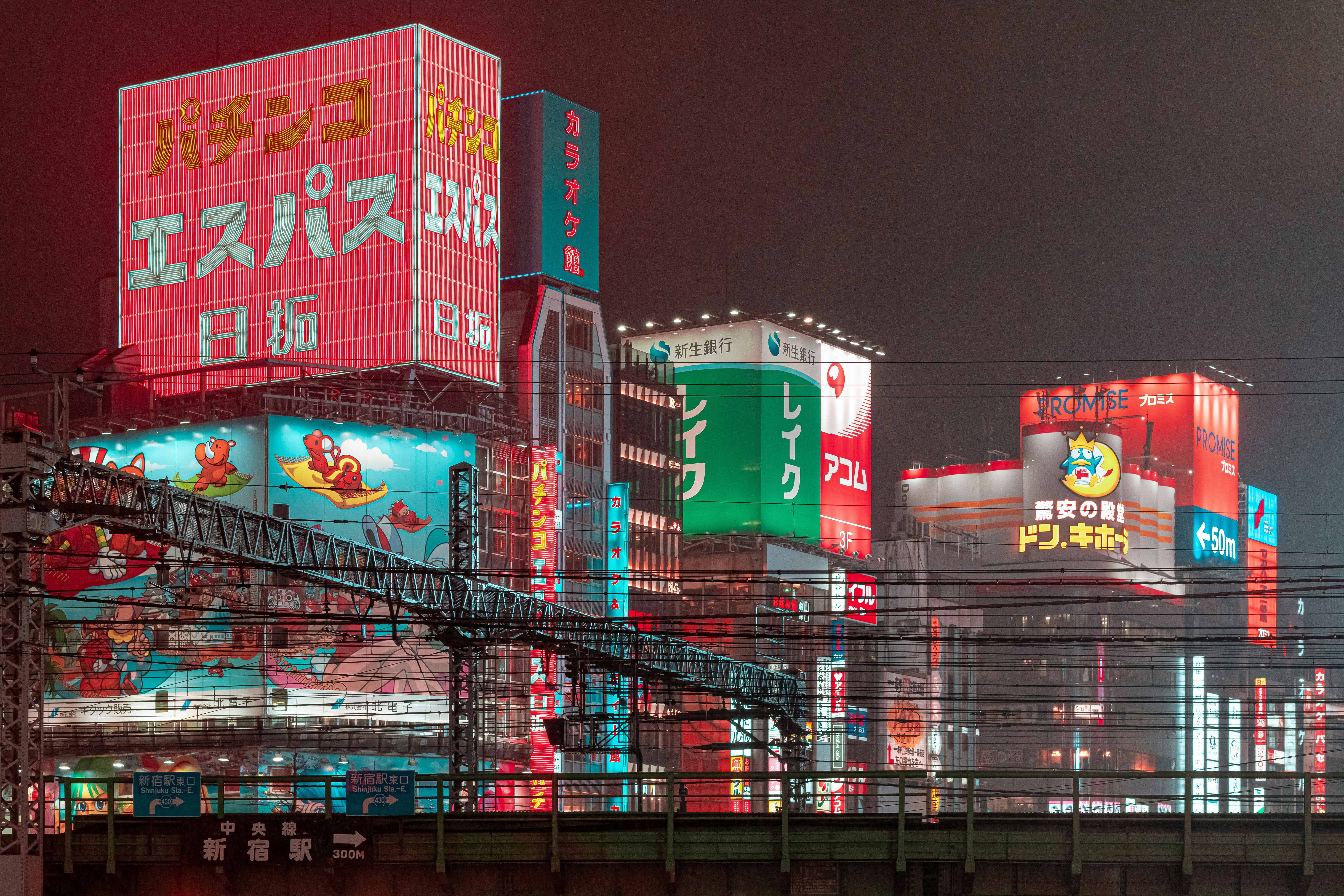
Shinjuku Station serves as Tokyo's busiest transport hub, connecting the JR Yamanote Line, JR Chuo Line, JR Sobu Line, Keio Line, Odakyu Line, Tokyo Metro Marunouchi Line, Tokyo Metro Shinjuku Line, and Toei Oedo Line and Toei Shinjuku Line. This concentration of lines means you can reach most major Tokyo destinations with zero transfers or at most one connection. Shibuya sits just 5 minutes away on the Yamanote Line, Shinjuku connects to Tokyo Station in 15 minutes via Chuo Line, and express trains on the Keio and Odakyu lines provide rapid access to western Tokyo suburbs.
Multiple station options throughout the ward mean that most Shinjuku residential areas sit within 10-15 minutes walking distance of train access. Beyond Shinjuku Station itself, residents use Shin-Okubo, Yotsuya, Takadanobaba, Higashi-Shinjuku, Nishi-Shinjuku, and other stations depending on their specific neighborhood. This station density creates flexibility - if one line experiences delays, alternative routes often exist within reasonable walking distance.
Commute advantages for cross-city travel particularly benefit residents whose work or activities span multiple Tokyo areas. Living in Shinjuku means your maximum commute to most central Tokyo business districts rarely exceeds 20-30 minutes. This time efficiency matters enormously for professionals whose schedules involve client meetings, multiple office locations, or frequent travel across Tokyo's sprawling metropolitan area.
Available Listings and Housing Options
Shinjuku’s housing market offers a broad range of options that accommodate different lifestyles, household sizes, and budgets. From compact studios suited to short-term or single occupancy to larger apartments intended for long-term living, the ward provides flexibility depending on location and building type.
Single professionals will find a wide selection of 1K and 1DK apartments across Shinjuku, with rent and quality varying by proximity to major stations and commercial areas. Couples looking for 1LDK units have solid availability, particularly in residential neighborhoods slightly removed from the busiest zones. Larger 2LDK and family-oriented apartments are more limited but remain available in peripheral areas of the ward where lower density allows for more spacious layouts.
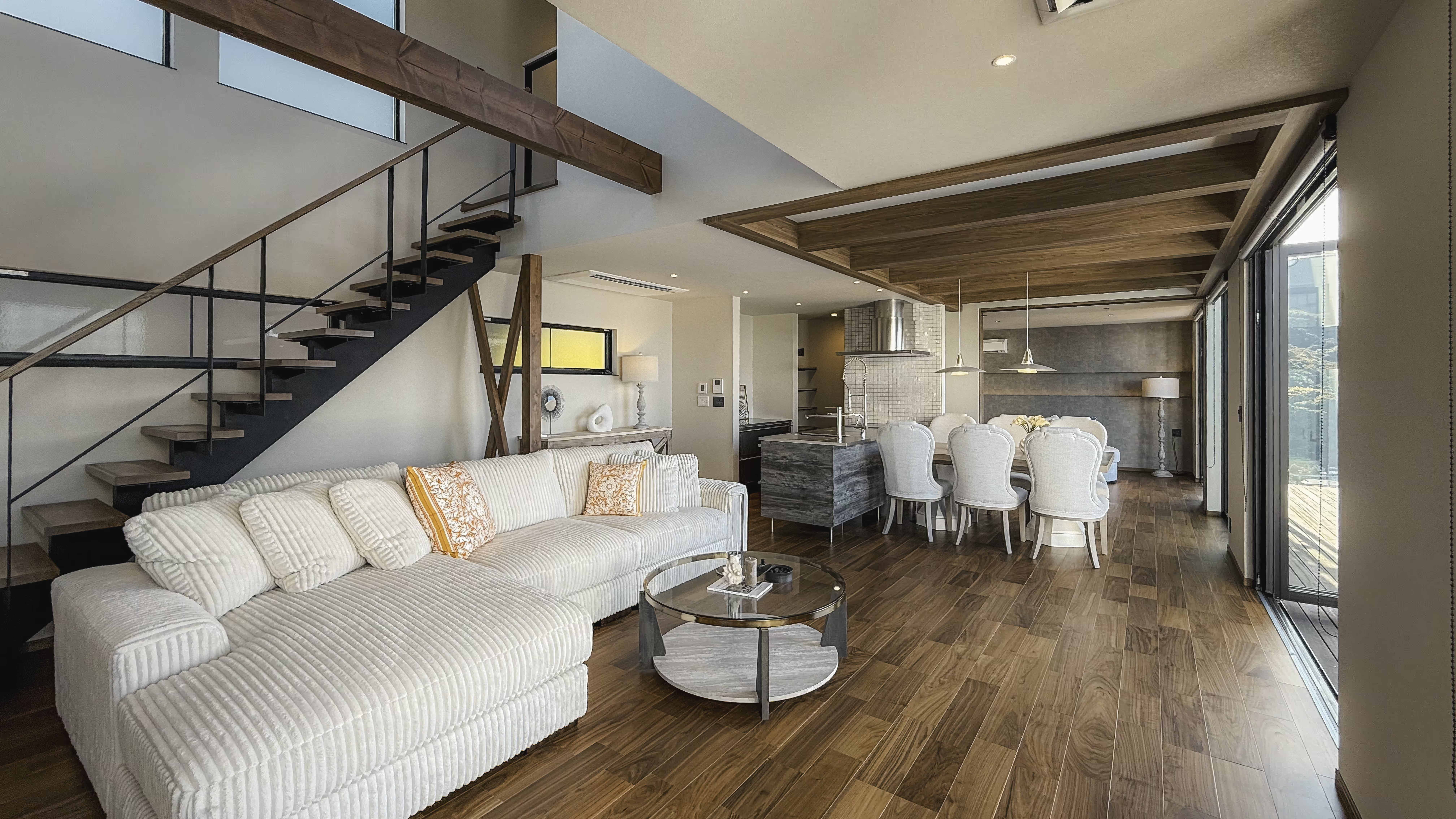
Housing stock in Shinjuku generally falls into two categories. Newer developments - especially in West Shinjuku and around major stations - offer modern layouts, security systems, delivery lockers, updated kitchens and bathrooms, and professionally managed buildings that often accommodate foreign residents more smoothly. Older buildings, typically constructed between the 1970s and 1990s, tend to offer lower rent but may come with dated facilities, fewer amenities, and stricter landlord screening depending on management style.
Shinjuku is considered one of the more foreigner-accessible wards in Tokyo due to its international population, language schools, and established global businesses. Many landlords and management companies are familiar with renting to non-Japanese tenants, particularly in areas such as Shin-Okubo. That said, proper documentation, guarantor arrangements, and experienced brokerage support remain essential.
Lease terms vary by property. Some furnished apartments and professionally managed buildings allow shorter stays of three to six months, while most standard unfurnished rentals follow Japan’s typical two-year lease structure. As a result, Shinjuku works well for both short-term residents seeking central Tokyo access and long-term tenants who prioritize convenience and connectivity.
For the latest availability and current market conditions, check our Shinjuku listings here.

Things to Do in Shinjuku
While Shinjuku is renowned for entertainment and commercial attractions, understanding what the ward offers for daily residential life versus tourist activities helps set appropriate expectations about living here.
Parks and green spaces provide necessary respite from urban intensity. Shinjuku Gyoen National Garden stands as the ward's premier green space, offering extensive grounds with Japanese, English, and French garden styles that provide peaceful weekend retreats without leaving the neighborhood. The park's seasonal beauty - cherry blossoms in spring, autumn foliage in fall - makes it a valued asset for residents seeking nature access. Smaller neighborhood parks scattered throughout residential areas serve daily exercise and relaxation needs, though Shinjuku notably lacks the extensive park systems found in wards like Setagaya or Suginami.
Shopping and dining districts represent Shinjuku's obvious strength. Isetan, Takashimaya, Lumine, and numerous other department stores provide comprehensive shopping without requiring travel elsewhere. Restaurant options span every cuisine and price point imaginable, from budget conveyor belt sushi and ramen shops to high-end dining establishments. For daily groceries, supermarkets appear throughout the ward including both budget chains and premium options, making routine shopping convenient regardless of which Shinjuku neighborhood you inhabit.
Cultural venues and entertainment concentrate heavily in Shinjuku, though these function more as amenities for occasional use rather than daily life elements. The ward contains theaters, live music venues, cinemas, and entertainment complexes that residents appreciate having accessible but typically don't utilize daily. Shinjuku's famous nightlife districts exist primarily for visitors and entertainment seekers rather than residential daily life - most Shinjuku residents use these areas occasionally while maintaining normal routines centered elsewhere in the ward.
Everyday conveniences matter more for residential quality of life than landmark attractions. Shinjuku excels in practical infrastructure - 24-hour convenience stores on virtually every corner, comprehensive banking services, medical clinics and hospitals, post offices, pharmacies, fitness centers, and every service needed for comfortable modern life. This infrastructure density means you can accomplish most errands within walking distance of home, which particularly benefits residents with busy schedules or those unfamiliar with navigating Tokyo initially.
The lifestyle in Shinjuku revolves around urban convenience and having everything accessible rather than neighborhood community or outdoor recreation. Residents typically appreciate being able to handle any task or access any amenity quickly, accepting the trade-offs of crowds and activity in exchange for this comprehensive access.
Lifestyle Pros and Considerations
Understanding both Shinjuku's advantages and the realities that require consideration helps you make informed housing decisions about whether the ward suits your needs.
Advantages of living in Shinjuku center primarily on unmatched urban convenience and connectivity. The transportation infrastructure means you're never more than 20-30 minutes from anywhere in central Tokyo, which dramatically reduces time spent commuting and increases flexibility for both work and personal activities. Having comprehensive shopping, dining, and services within walking distance eliminates the need to travel for routine errands or entertainment. For foreign residents, Shinjuku's international character and English-friendly businesses make daily life more manageable during adjustment periods. The ward's energy and activity create stimulating environment for people who draw energy from urban intensity rather than finding it draining.
Points to consider when choosing specific sub-areas relate to managing Shinjuku's intensity while still benefiting from its advantages. Apartments immediately adjacent to major commercial streets or entertainment districts experience significant noise from foot traffic, vehicles, and businesses operating late into the night. Even within "quiet" residential neighborhoods, Shinjuku maintains noticeably higher ambient activity levels compared to purely residential wards. Choosing apartments on side streets rather than main thoroughfares, selecting buildings with proper sound insulation, and living slightly away from the absolute center of Shinjuku activity zones helps balance convenience with livability.
Noise, crowd levels, and timing differences affect daily experience significantly. Weekday mornings and evenings bring massive commuter crowds around stations, making these times challenging for anyone who dislikes dense crowds or needs to commute during peak hours. Weekends see different crowd patterns—tourists and shoppers rather than commuters—which some residents find less oppressive. Late nights, particularly Thursday through Saturday, can be noisy in areas near entertainment districts. However, residential neighborhoods away from major stations often quiet considerably, and high-rise apartments above the 10th floor typically experience less street noise regardless of location.
Long-term sustainability considerations involve honestly assessing whether Shinjuku's character suits extended stays versus shorter periods. Some residents thrive on Shinjuku's constant activity and convenience for years or indefinitely. Others find the ward ideal for initial Tokyo years while establishing careers and learning the city, but eventually migrate toward calmer residential areas once they've built stability and no longer need to be in Tokyo's center. Neither pattern is correct or incorrect—understanding your own relationship with urban intensity helps predict whether Shinjuku remains appealing long-term or functions better as a strategic stepping stone.
Who Should Consider Living in Shinjuku
Certain lifestyle profiles and priorities align particularly well with what Shinjuku offers as a residential location.
Professionals and commuters whose work requires frequent travel across Tokyo or attendance at offices in multiple locations benefit enormously from Shinjuku's transport connectivity. People early in their careers often find Shinjuku ideal because the time efficiency of central living allows them to invest more hours in work and professional development while still maintaining reasonable personal time. Mid-career professionals who value convenience and can afford Shinjuku's rent levels appreciate having every amenity accessible without requiring additional commuting beyond work travel.
Students and young residents find Shinjuku attractive for different reasons. Proximity to universities and language schools reduces commute time, allowing more time for studies and social activities. The concentration of student-oriented businesses, affordable dining, and young populations particularly in areas like Takadanobaba creates natural community and social opportunities. International students often gravitate toward Shinjuku because the ward's diversity and English-language accommodation make adjustment to Tokyo life less overwhelming than trying to navigate purely Japanese residential areas initially.
Long-term foreign residents often maintain Shinjuku as their residential base even after years in Tokyo because the ward's international infrastructure, English-friendly services, and diverse community continue providing comfort and convenience. Having established routines and favorite spots in Shinjuku, combined with the objective advantages of transport access and amenity density, makes leaving feel unnecessary unless specific life changes require larger living spaces or different neighborhood character.

.jpg)


