
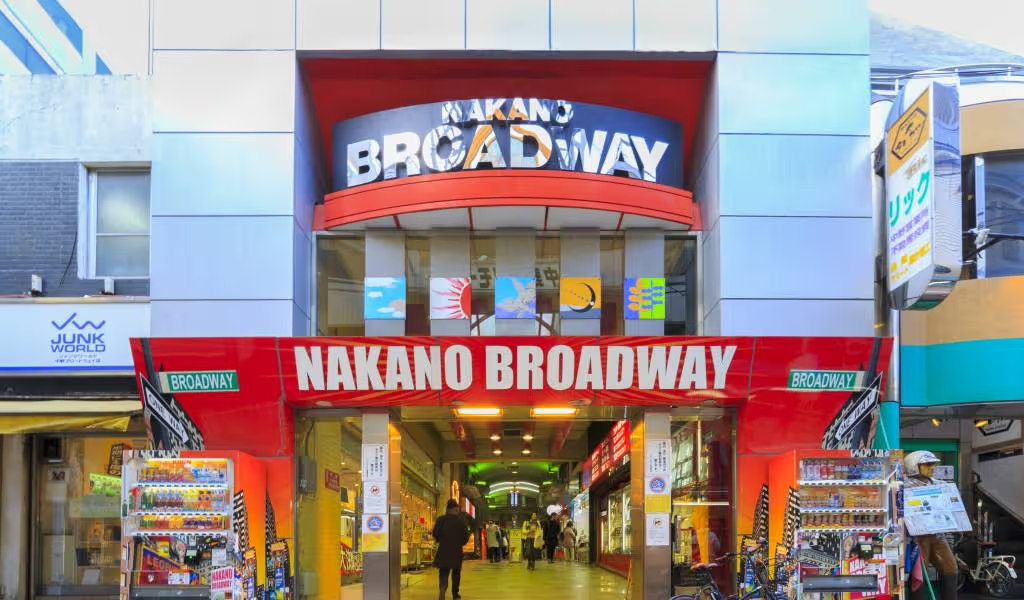
Nakano Ward sits just west of Shinjuku and represents one of Tokyo's most balanced residential districts. While widely recognized for Nakano Broadway, a landmark shopping complex popular with pop culture enthusiasts, the ward's genuine appeal for residents lies in its practical livability: strong transport connectivity, reasonable rent levels compared to central wards, and neighborhoods that maintain distinctly residential character rather than commercial intensity.
Nakano functions as a strategic middle ground between central Tokyo's urban energy and suburban calm. The ward attracts working professionals, creative industry workers, long-term foreign residents, and families seeking fast access to Shinjuku and the Yamanote Line without the rent premiums associated with living in central business districts. Understanding Nakano requires looking beyond its famous shopping arcade and recognizing the ward as a practical, livable base for everyday Tokyo life.
The ward's character is defined by efficient urban planning and appropriate density. Streets maintain activity without becoming overwhelming, amenities are abundant without catering primarily to tourists, and residential zones are clearly separated from nightlife and heavy commercial districts. For residents prioritizing commute efficiency, housing affordability, and long-term comfort, Nakano consistently ranks as one of Tokyo's most dependable residential choices.
Nakano Area Guide
Nakano Ward encompasses several distinct neighborhoods, each offering slightly different residential experiences while maintaining consistent access to transportation and daily amenities.
Nakano Station Area
The area surrounding Nakano Station represents the ward's most active commercial zone. The neighborhood combines shopping streets, restaurants, supermarkets, and entertainment venues with residential buildings situated on side streets and in upper floors above commercial spaces. Living near the station offers maximum convenience for daily errands and commuting but comes with higher pedestrian traffic and ambient noise compared to deeper residential zones. Apartments in this area are particularly popular with young professionals and renters who prioritize walkability and immediate station access.
Nakano Broadway District
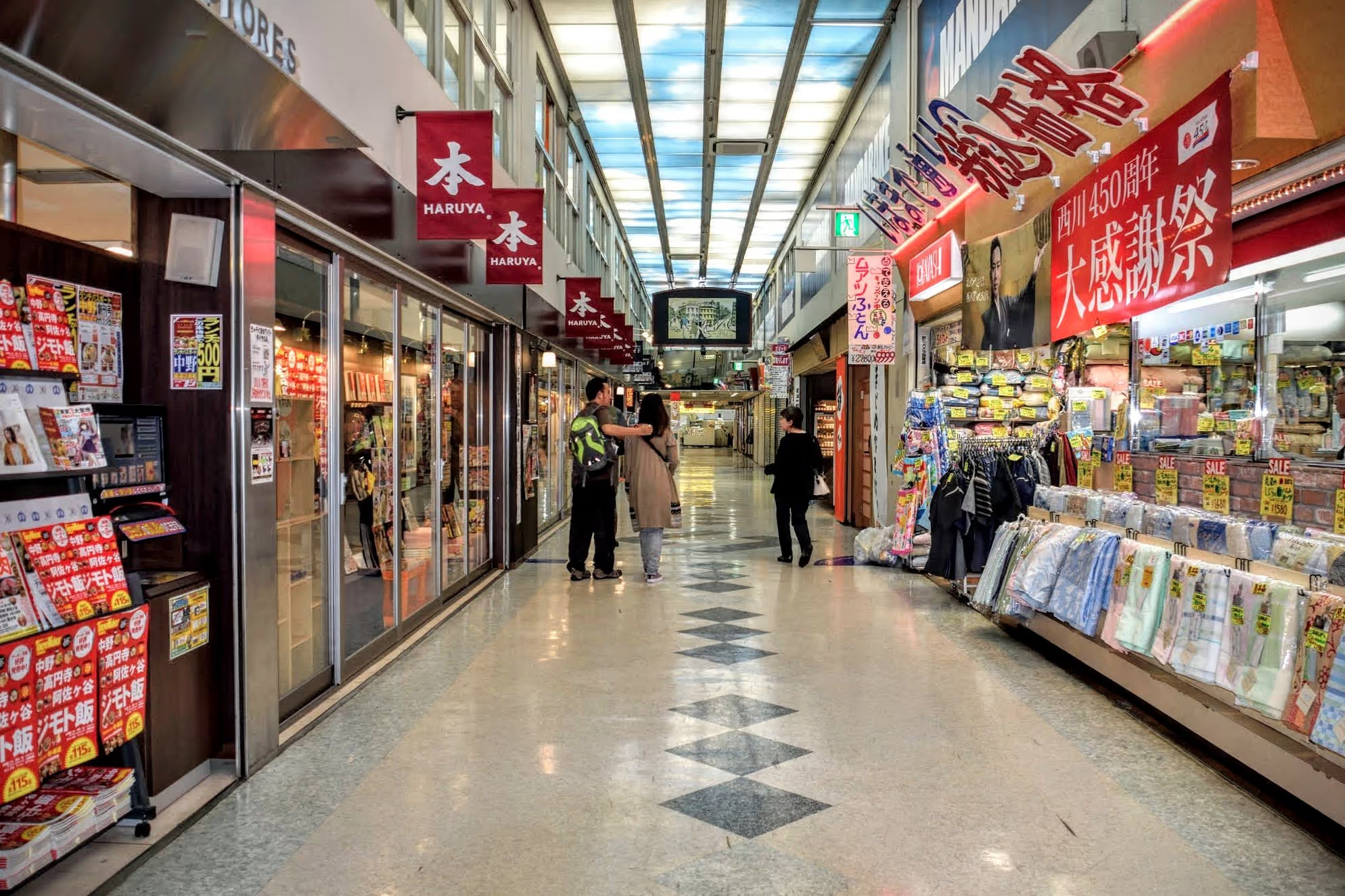
Centered around the Nakano Broadway shopping complex, this area blends retail activity with established residential buildings. Despite the shopping complex's popularity among visitors seeking anime, manga, and collectibles, the surrounding residential streets remain surprisingly calm during evenings and early mornings. The housing stock includes older mid-rise apartment buildings and compact units, often priced more affordably than equivalent locations in adjacent Shinjuku Ward.
Araiyakushi and Shin-Nakano
These neighborhoods feel more community-oriented and local in character. Streets are narrower, commercial activity concentrates in neighborhood shopping streets (商店街 / shōtengai) serving daily needs, and the overall pace of life noticeably slows compared to the station area. These zones attract long-term residents, couples, and renters who prioritize quiet residential environments while maintaining reasonable cycling or walking distance to major stations.
Nogata and Numabukuro
Located in Nakano's northern and western sections, these areas offer some of the ward's most affordable rental options. While positioned slightly farther from major transit hubs, they maintain solid train access and a distinctly residential atmosphere with lower building density. These neighborhoods appeal to budget-conscious renters and families who value living space and calm environments over immediate proximity to entertainment or shopping centers.
Transportation and Accessibility
Nakano's transportation infrastructure represents one of its strongest assets, making the ward particularly attractive for commuters working in central Tokyo.
Nakano Station serves as the ward's primary transit hub, connecting the JR Chuo Line (both Rapid and Local services) and the Tokyo Metro Tozai Line. This configuration provides direct access to Shinjuku in approximately 5 minutes and Tokyo Station in around 20 minutes. The Tozai Line offers through-service to eastern Tokyo destinations, reducing transfer requirements for cross-city commuting.
Additional stations including Shin-Nakano (Tokyo Metro Marunouchi Line), Nogata (Seibu Shinjuku Line), Araiyakushi-mae (Seibu Shinjuku Line), and Numabukuro (Seibu Shinjuku Line) extend rail access throughout the ward, ensuring most residential areas fall within 10-15 minutes walking distance of train service.
For professionals employed in Shinjuku, Marunouchi, or other central business districts, Nakano delivers one of Tokyo's best commute-to-rent value ratios. Travel times remain short without requiring residence in high-cost central wards. This efficiency makes Nakano especially appealing for long-term residents who value predictable, low-stress daily commuting.
Daily Life and Amenities in Nakano
Nakano's lifestyle appeal derives from everyday livability rather than landmark attractions or entertainment districts.
Shopping and services: Commercial streets around Nakano Station provide comprehensive access to daily necessities including supermarkets, pharmacies, cafés, casual dining, and service businesses. Unlike major tourist districts, these commercial areas primarily serve residential populations, creating practical and comfortable environments for routine errands.
Green space: Parks and outdoor recreation areas are more limited in Nakano compared to larger residential wards. Small neighborhood parks serve basic outdoor needs, and residents can access larger parks in adjacent wards within reasonable cycling or transit distance. Most residents value Nakano primarily for urban convenience rather than extensive outdoor recreation opportunities.
Dining options: The restaurant landscape tends toward casual and affordable establishments rather than fine dining. Nakano is known for quality ramen shops, izakaya (Japanese-style pubs), bakeries, and international eateries that cater to local residents rather than visitors. This makes regular dining out financially sustainable as part of daily life rather than an occasional indulgence.
Evening atmosphere: The ward lacks concentrated nightlife districts, which contributes to calmer evening and late-night environments. Most commercial activity concludes earlier than in Shinjuku, reinforcing Nakano's character as primarily residential rather than entertainment-oriented.
Who Should Consider Living in Nakano
Nakano suits several specific residential profiles particularly well:
Working professionals employed in Shinjuku or central Tokyo benefit from short commute times without paying premium rent associated with living in central wards. The ward offers genuine time efficiency for daily work travel while maintaining more moderate housing costs.
Long-term foreign residents seeking stable residential environments appreciate Nakano's balance of accessibility and livability. The ward provides sufficient international tenant acceptance without the transient feel of more tourist-heavy districts.
Couples and small families prioritizing practical daily life over nightlife and entertainment find Nakano's residential character and reasonable rent levels align well with their housing needs. The availability of larger apartment layouts supports small household requirements better than many central wards.
Renters transitioning from central wards often discover Nakano offers improved quality of life through reduced housing costs, calmer residential environments, and similar or improved commute times depending on workplace location.
For residents who value efficiency, affordability relative to commute access, and everyday comfort, Nakano consistently demonstrates itself as one of Tokyo's most practical and reliable residential choices. The ward may not offer the prestige of Minato or the international character of Shibuya, but it delivers sustainable, comfortable urban living that supports long-term residence in Tokyo.


.jpg)


