
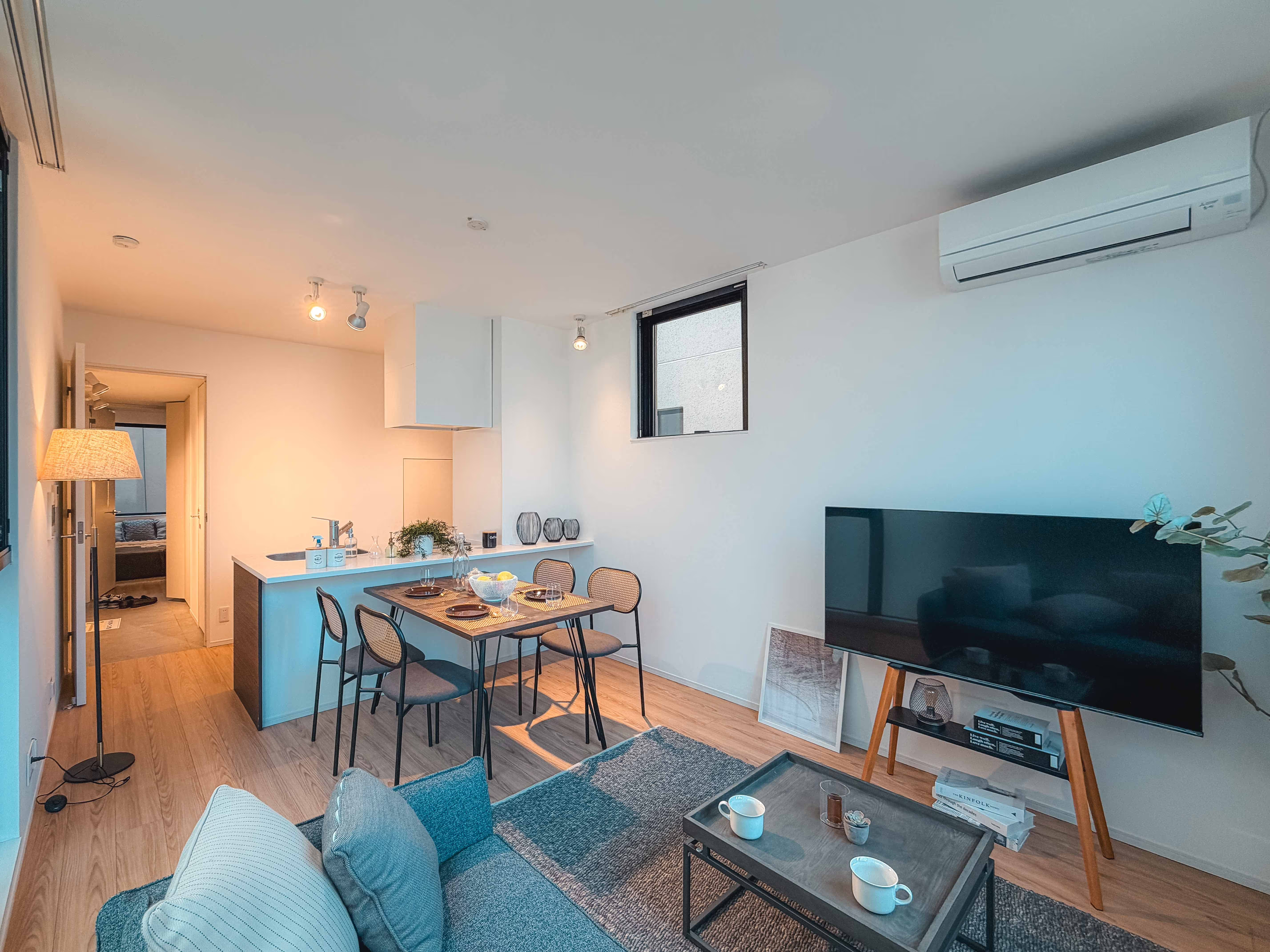
For many international residents moving to Tokyo, the first real confusion doesn’t come from contracts or language - it comes from apartment layouts. Japanese rental listings use layout codes such as 1R, 1K, 1DK, 1LDK, and 2LDK, which appear simple but often mean something very different from Western “studio” or “one-bedroom” apartments.
In Tokyo’s rental market, choosing the right layout is not only about comfort. It directly affects how landlords and guarantor companies evaluate your application. Applying for a layout that does not match your household profile can raise concerns about overcrowding, subletting, or misrepresentation, and can lead to rejection even when income and documents are otherwise strong.
Understanding how Japanese apartment layouts work before you begin your search helps you set realistic expectations, target suitable properties, and improve your approval chances.
How Japanese Apartment Layouts Are Structured
Japanese apartment layouts follow a consistent and logical system once you understand how it works. The number at the beginning of the layout indicates how many separate rooms exist, excluding the kitchen and bathroom. A “1” means one separate room, while a “2” means two separate rooms. These rooms can function as bedrooms, offices, or flexible living spaces, but the number simply reflects physical separation.
The letters that follow describe how the kitchen and living areas are organized. A layout marked with “K” means there is a kitchen area separate from the main room, usually small and intended only for cooking. “DK” indicates a dining kitchen, large enough to include a dining table. “LDK” represents the most spacious configuration, combining living, dining, and kitchen areas into one connected space suitable for daily life.
Once you understand this structure, layout codes become much easier to interpret. A 1LDK, for example, means one private bedroom plus a combined living, dining, and kitchen space. A 2DK means two separate rooms and a dining kitchen, but no dedicated living room.
Single-Person Layouts: 1R, 1K, and 1DK
For single renters, the most common layouts are 1R, 1K, and 1DK. Each offers a different balance between affordability and livability.
A 1R, often called a “one-room” or studio, places the kitchen, sleeping area, and living space in a single open room. Only the bathroom is separated. These units are typically compact and work best for short-term stays or residents who spend little time at home. However, the lack of separation means cooking smells and noise easily spread, and working from home can be uncomfortable.
A 1K provides a noticeable improvement in daily comfort. The kitchen is separated from the main living space by a door or hallway, allowing better control of noise and odors. This layout is extremely common in Tokyo and generally receives the highest approval rates for single applicants. For many foreign residents, a 1K represents the most practical and reliable starting point in the Japanese rental market.
A 1DK offers additional space by providing a dining kitchen large enough for a table. This allows eating and cooking to happen in one area while keeping the main room separate for sleeping or working. These apartments are often found in slightly older buildings, but they provide better flexibility for people who cook regularly or work from home part-time.
1LDK: The Most Versatile Option
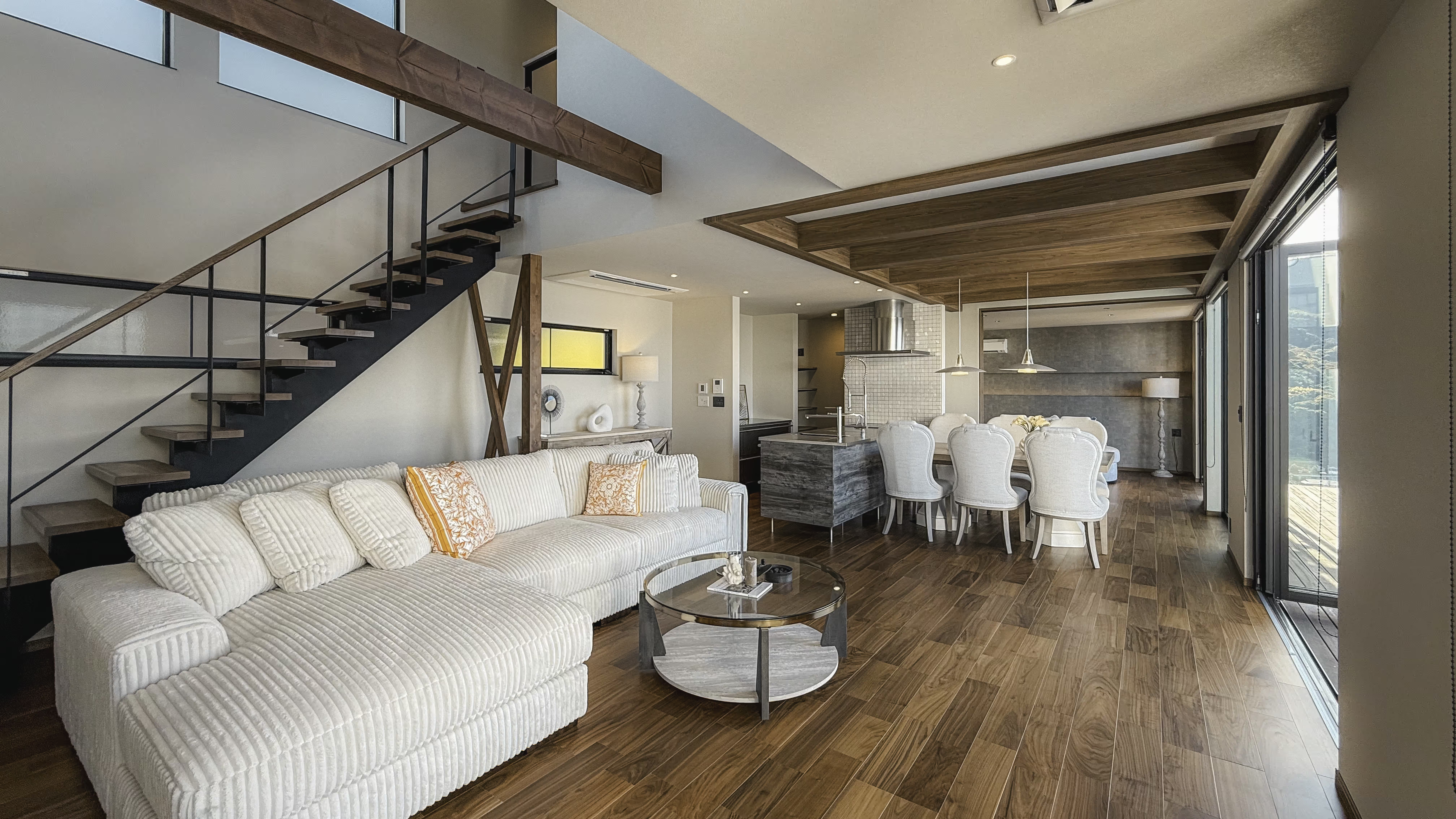
The 1LDK layout is widely considered the most flexible apartment type in Tokyo. It includes a fully separated bedroom and a combined living, dining, and kitchen space. This separation significantly improves comfort, especially for couples or remote workers who want a clear boundary between rest and daily activity.
Because of the larger size and higher rent, landlords apply stricter screening standards to 1LDK apartments. Couples usually need to apply together, with both incomes reviewed. Single applicants are often asked why they need the additional space, as landlords want to avoid undisclosed cohabitation or subletting. Strong income documentation and employment stability become more important at this level.
1LDK apartments are especially common in established residential wards such as Meguro and Setagaya, where buildings are designed for long-term living rather than ultra-compact, short-stay units.
2LDK and Larger Layouts
Apartments with two or more bedrooms are primarily intended for families or long-term residents. A 2LDK provides two separate rooms plus a living, dining, and kitchen area, making it suitable for couples who need home offices or small families with children.
These layouts involve much stricter approval processes. Landlords carefully verify household size, income level, and visa length. Single applicants for 2LDK apartments often face rejection unless there is a clear, well-documented reason for needing the space, as oversized applications raise concerns about improper use of the apartment.
Larger layouts such as 3LDK are less common in central Tokyo and usually appear in more suburban, family-oriented neighborhoods. These units require stable, long-term income and typically move more slowly in the market, but landlords can be more selective about tenant profiles.
How Layout Choice Affects Approval
Landlords in Japan have clear expectations about which household sizes match which layouts. A single person applying for a 1K or 1DK is considered normal and low risk. A couple applying for a 1LDK or 2LDK is also standard. Problems arise when there is a mismatch, such as a single applicant applying for a large multi-bedroom apartment or a couple applying for an extremely small unit.
These mismatches can signal potential issues such as overcrowding, unreported occupants, or lease violations, and they often result in rejection even if the applicant appears financially qualified. Choosing a layout that aligns with landlord expectations is one of the simplest ways to improve approval success.
Common Mistakes Foreign Renters Make
Many foreign renters underestimate how important layout choice is in daily life. Choosing a 1R while working from home often leads to discomfort and burnout due to the lack of separation between work and rest. Others apply for large apartments because the price seems attractive, without realizing how suspicious this appears to landlords.
Another frequent mistake is focusing solely on layout while ignoring location. A slightly smaller apartment in a convenient, well-connected area often provides a better quality of life than a larger unit with long or inconvenient commutes.
Choosing the Right Layout for Your Situation
The right apartment layout depends on your household size, work style, budget, visa length, and long-term plans in Japan. Many successful renters begin with a smaller, easy-to-approve layout, establish rental history in Japan, and then upgrade once they have more flexibility and local references.
Understanding that your first apartment does not need to be your final apartment helps reduce pressure and leads to better decisions. A layout that matches both your lifestyle and landlord expectations will make the entire rental process smoother.
At Tokyo Housing, we help foreign residents interpret layout codes in practical terms and apply only for apartments where layout, household profile, and approval criteria align. This approach saves time, reduces rejection risk, and leads to more sustainable living situations.
If you’re unsure which layout best fits your situation, our team can guide you through the options and help you find an apartment that works for both your daily life and your application.

.jpg)


